This weekend I became I a true Kenyan driver. From cruising in the right lane to merging without caution, I’ve done it all. We departed Ruiru on Thursday morning one hour behind schedule. We loaded up tables, posters, stoves, and popcorn ready for another trade fair sales event in Meru, Kenya. Meru is the home of Mount Kenya, and Mirah. Mirah is a plant which people chew to get high. It is the cash crop in Meru and is even accepted in church as an offering. Mirah produces a lethargic effect that renders many people apathetic. Mount Kenya is the tallest peak in Kenya and is surrounded by gorgeous tea and rice fields, valleys, and cliffs. It is a bit steeper than Mount Kilimanjaro which shares a Kenyan border, and is preferred by hikers and climbers. The drive to Meru was similar to winding up a long path to the top of a mountain.
Before we left, my GM gave me a quick introduction to dealing with Kenyan police. There are many police checkpoints once you leave the city where they physically restrict the road to one lane with two long strips of crooked nails painted mustard yellow. We started out on Thika highway, a road that can take you all the way to Ethiopia. It reduced from 4 lanes, to 3, to 2, and down to 1 country road with too many speed bumps. The road is traveled by people walking, on bicycles, motorcycles, and with donkeys carrying crops-all in addition to every size of motorized vehicle. Just before the one lane road we passed 6 large military style trucks filled with police trainees marked, “Kenya Police Driving School.”
The police typically stand on the side of the road and wave you down to stop, sometimes standing directly in your path to provide no option. Sure enough at the first and only police check point we passed, I was pulled over. The cop requested my license and I handed him a copy of my invalid Iowa driver’s license. He spent less than a couple seconds reviewing the document before asking for the actual ID. As instructed, I kept the window open only about two inches, pulled out my license, held it behind the window and said, “Here it is.” “You don’t trust me?” He replied, “I am a Kenyan police officer in uniform, I need to touch your license.” The corruption in Kenya usually leaves very little accountability in the hands of the commanding officer. Once they have any type of “collateral” you will then be required to buy it back to subsidize their poor salaries. I refused to give him the license and offered to call my director from the embassy should he insist. After a few more rhetorical questions, he finally gave up and wished me a safe journey. I breathed a sigh of relief.
We stopped for lunch in a county called Embu. Kenya has 47 counties which are governed like states in the U.S. Embu had been fighting a particularly disturbing battle with the courts to impeach their current governor. The governor had stolen hundreds of thousands of shillings from the people’s money. Once caught, the citizens of Embu failed to follow the exact procedure necessary for impeaching a governor. Despite loads of evidence proving the governor had stolen the money, he will remain in office until the end of the term. As for the money, he has built an upscale restaurant within town. Just another Kenyan scenario I have a difficult time envisioning in the U.S.
We arrived in safely in Meru around 4p.m. and checked in for the trade fair setting up tables and decorating tents for two full days of hopeful sales. The trade fair conspired much the same as one month earlier in Laikipia, although I managed to retain all of my belongings.
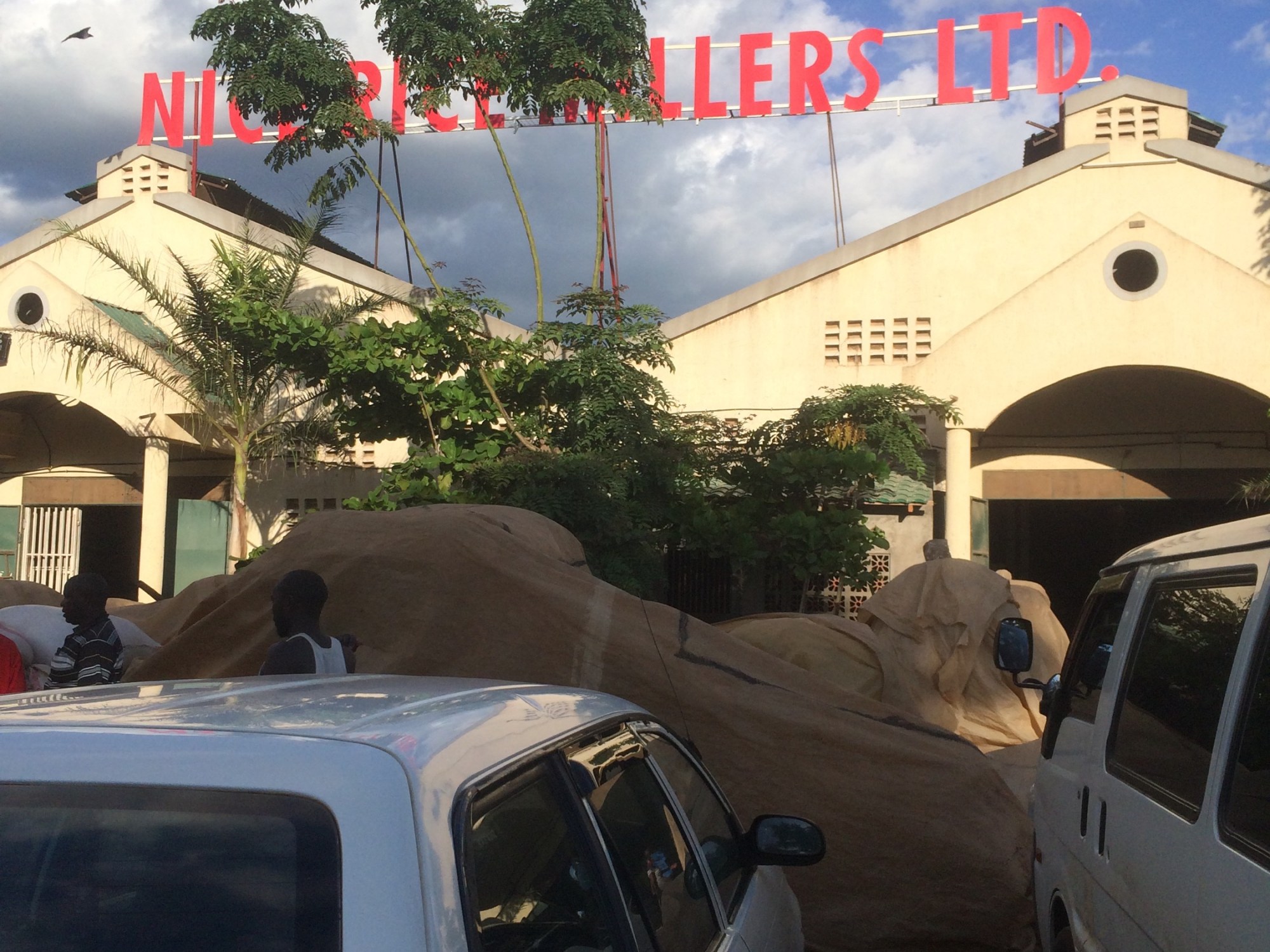
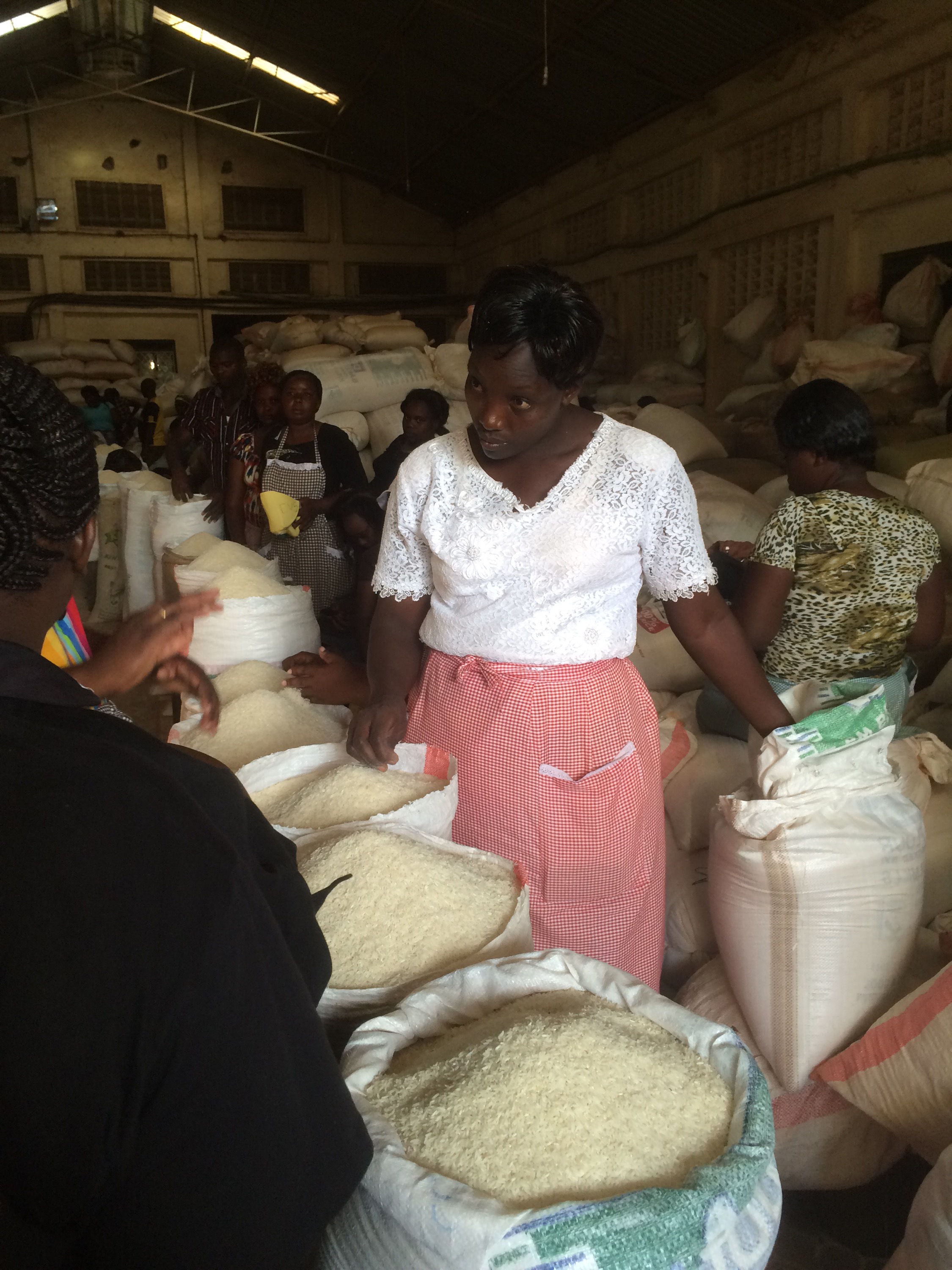
On the way home we made a pit stop at Nice Rice Millers. Mwea is a town known for aromatic rice and lots of it. One one side of the factory was the mill, on the other 10’s maybe 100’s of ladies selling rice from tall woven sacks. A few people bought many kilos and then we were homeward bound.
 I See Pride